Are you considering a career in gas engineering? Becoming a certified gas engineer not only paves the way for a rewarding profession but also ensures safety and compliance in the industry. This guide will walk you through the essential steps to earning your certification.
Research the Role and Requirements
Choosing to become a gas engineer means embarking on a path where clear knowledge of gas appliances and their safe operation is key. One of the first steps is to understand the specific roles you may be expected to fill. This can include installation, maintenance, and repair of gas systems. Each role comes with its own set of responsibilities and challenges, so it’s important to evaluate which aligns with your interests and skills.
Educational qualifications are paramount. Typically, a gas engineer may start with basic studies in mechanical engineering or plumbing. Pursuing qualifications like NVQ (National Vocational Qualifications) in the UK could be beneficial. It’s crucial to research specific prerequisites in your country or region because these can differ significantly.
For a comprehensive start, you might want to explore the general overview of the field by visiting some dedicated resources or taking introductory workshops that outline the entire gamut of responsibilities as a gas engineer.
Enroll in a Relevant Training Program
Once you’ve decided to move forward, the next step involves finding the right training program. Accredited courses are designed to build robust foundations in both theoretical knowledge and practical skills. Programs like those offered by local colleges or technical schools can provide pathways to more specialised certifications.
For those seeking to specialise, look into specific modules or courses that focus on areas such as gas safety regulations or advanced handling of LPG systems. Make sure these courses meet regulated standards so your qualifications are recognised industry-wide.
Investing in quality education is fundamental. The balance between classroom instruction and hands-on experience ensures that you are not only versed in the technical language of the industry but fully prepared to implement your knowledge in real-world scenarios.
Gain Practical Experience
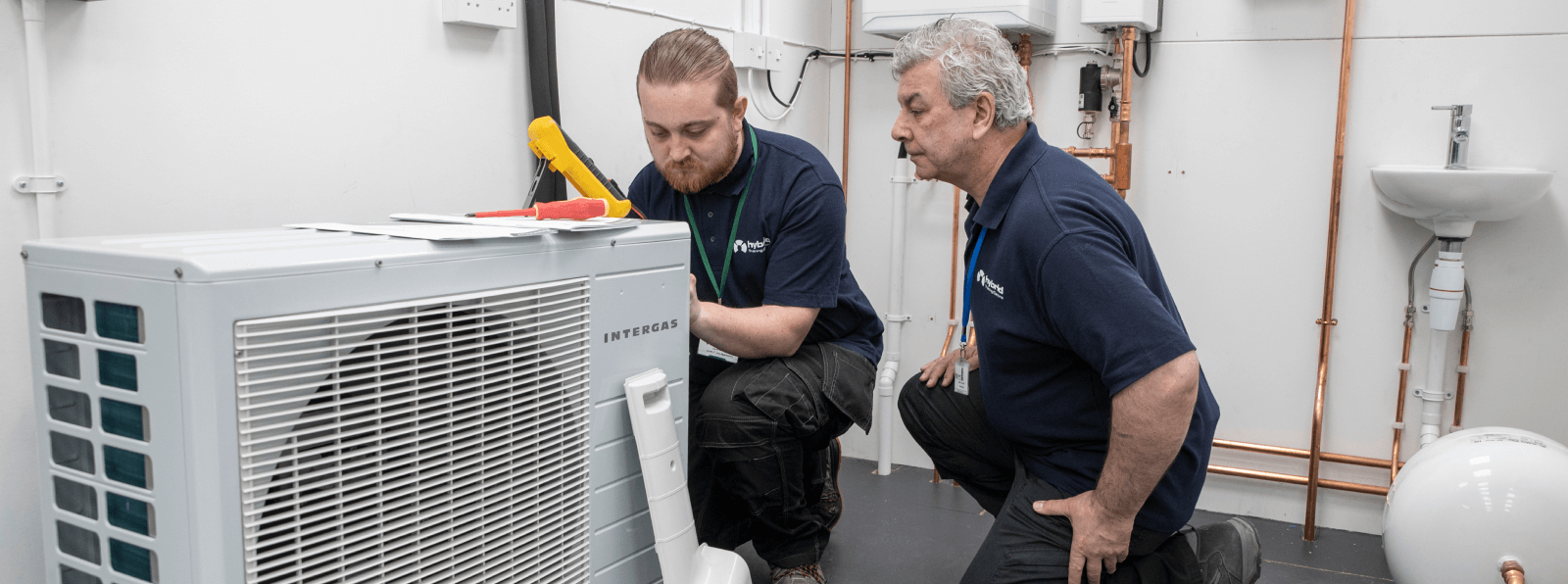
After completing your coursework, practical experience becomes your next mentor. Engaging in an apprenticeship or an internship is indispensable for translating academic learning into job proficiency. Many training programs have linkages to established companies and can help secure positions where you can apply what you’ve learned.
Working under the guidance of experienced professionals provides insights that textbooks can’t offer. It shapes your approach to troubleshooting and problem-solving in dynamic situations, essential qualities for any proficient gas engineer.
The hands-on phase is also the perfect time to start developing a network with fellow apprentices and industry veterans. These connections can be instrumental as you progress through your career.
Pass Certification Exams
Certification is a critical stamping of your readiness to become a certified gas engineer. These exams are designed to evaluate your understanding and ability to work safely with gas systems. Preparing through rigorous study and practical application is crucial. Consider joining study groups or seeking additional resources for areas where you feel the need for further improvement.
Most importantly, certification validates your skills and knowledge, making you an attractive candidate to employers. It’s a milestone that not only boosts your confidence but also positions you as a credible professional ready to tackle industry challenges.
Maintain Your Certification
Your journey as a certified gas engineer doesn’t end with receiving your certification. In fact, it signals the beginning of continuous learning and adaptation in a field where regulations and technologies frequently evolve. Staying abreast of these changes is necessary to maintain your certification and delivers reassurance to your clients regarding your competence.
Make it a point to participate in workshops, seminars, and advanced training sessions. Not only do these activities keep you updated, but they offer platforms to share insights and learn from peers.
By maintaining your certification, you ensure longevity in your career. It speaks to your commitment to professionalism and embodies your dedication to safety and industry best practices, ensuring you remain a trusted and respected figure in the field of gas engineering.
Embark on Your Gas Engineering Journey
Becoming a certified gas engineer is a commitment to safety, professionalism, and ongoing learning. By following these steps, you’ll be well-equipped to enter the field and make a positive impact. Remember, the journey towards certification is as important as the destination, ensuring you are thoroughly prepared for a successful career.