Installing a boiler isn’t just about connecting pipes and flipping a switch. It involves careful planning, strict adherence to safety standards, and—most importantly—having the right certifications. In this blog, we’ll break down the certifications required to install boilers professionally and safely, and guide you through how to obtain them.
Why Certifications Matter
Certifications validate your expertise and ability to safely install boilers. They reassure clients and regulatory bodies that your work complies with industry safety standards and best practices.
The modern heating and gas industry is both complex and heavily regulated. To thrive in it, professionals must demonstrate reliability and a deep understanding of systems, which certifications provide. Certified installers not only gain a competitive edge, but also earn greater trust from customers.
Beyond legal compliance, certifications provide peace of mind to homeowners and businesses. When clients see that you’re certified, they know you’ve been trained in the latest techniques, technologies, and safety protocols.
Core Certifications for Boiler Installation
Most regions require baseline HVAC certifications or licenses. These ensure a working knowledge of heating systems and safety regulations.
In the UK, a Gas Safe Register certification is essential for anyone installing or maintaining gas appliances. It proves you meet the legal standard for gas work and are compliant with the Health & Safety Executive requirements.
Another key qualification is the NVQ Level 2 in Heating and Ventilation, which provides essential skills for those starting out in boiler installation. You can explore relevant Plumbing and Heating courses on our site that cover these areas in depth.
Advanced Certifications for Specialised Installations
Depending on the system type or installation environment, you may need more specific qualifications:
- Commercial Boiler Installations: In some regions, certifications like the CSD-1 are required for compliance with commercial safety standards.
- Oil-Fired Boilers: The OFTEC 101⁄102 is a go-to certification for professionals handling oil-based heating systems—particularly important in rural installations.
- Biomass Boilers: Eco-conscious systems like biomass require expertise and safety knowledge. The BPEC Certificate for Installation and Maintenance of Biomass Systems ensures you’re qualified to work with these systems.
Interested in expanding your qualifications? Check out our Renewable Energy Courses, which include biomass and eco-heating technologies.
Keeping Certifications Up to Date
Most boiler-related certifications aren’t one-and-done. They need regular renewal, often involving continuing education or assessments.
For example, your Gas Safe Register must be renewed annually. Many installers choose to attend refresher courses or workshops to stay current with changing regulations, technologies, and safety protocols.
By maintaining your certifications, you demonstrate a commitment to professionalism, which both employers and clients value highly.
How to Get Certified
Here’s a step-by-step roadmap:
- Research local requirements and understand what’s legally needed in your area.
- Enrol in an accredited training course—like those offered on our Courses page.
- Pass all required practical and theoretical exams.
- Consider starting with an apprenticeship, which offers on-the-job experience along with formal instruction. We support this route through our Apprenticeships.
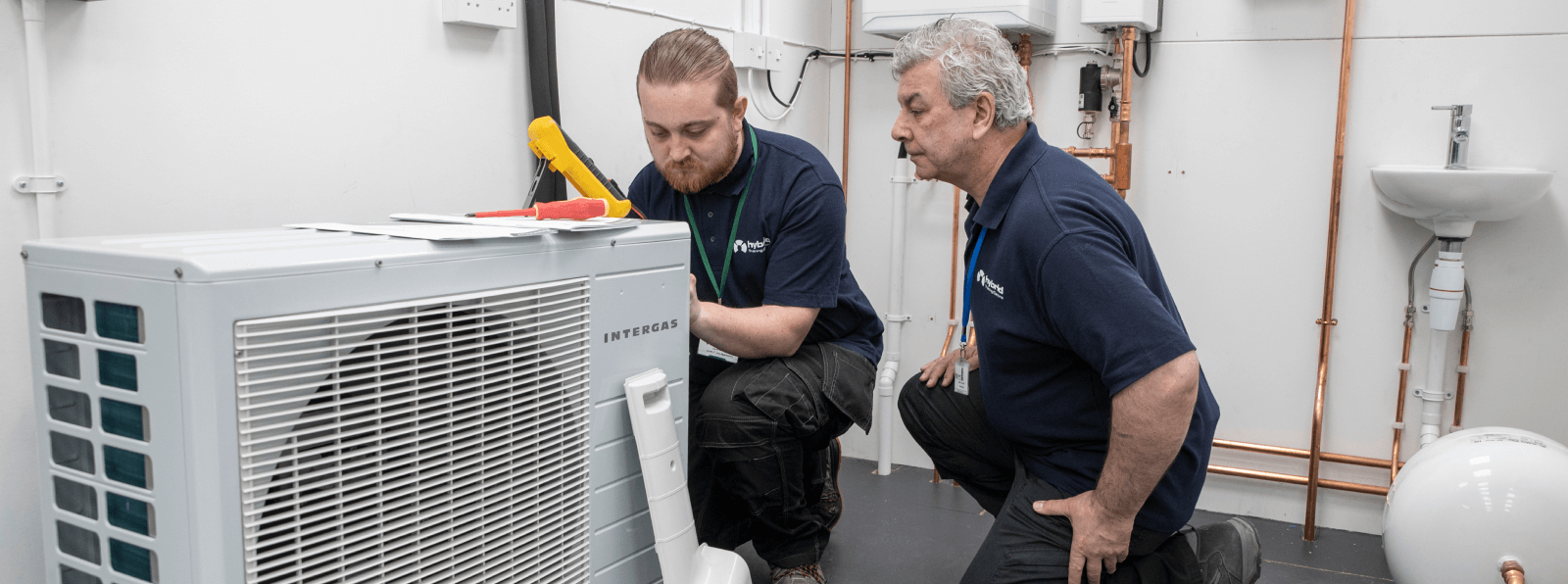
Choosing a reputable training provider is key—HybridTec is proud to be a leading vocational training centre, helping learners across the UK gain certified qualifications that employers trust.
Final Thoughts
Getting certified to install boilers isn’t just a formality—it’s the foundation of a safe, legal, and successful career in the heating industry. By understanding and obtaining the right certifications, you’ll boost your employability, earn customer trust, and open the door to new, advanced opportunities.