Entering the realm of boiler installation can be a daunting task for new technicians. However, breaking this process down into manageable steps can transform complexity into clarity. In this guide, we’ll explore the essential steps to mastering boiler installations, equipping you with the knowledge and confidence to excel in your new role.
1. Understanding Boiler Types and Applications
Begin your journey by familiarising yourself with different types of boilers and their specific applications. Knowing which boiler suits a particular environment is crucial for efficient installation and operation. For instance, combi boilers are popular in residential settings due to their compact size and efficiency. Understanding boiler designs for swimming pool heating and other specialised applications broadens your knowledge and prepares you for diverse installation scenarios.
Boilers vary significantly, with distinctive features such as open flue, balanced-flue, and vent-free designs. Each requires different considerations during installation. For example, open flue boilers must have adequate ventilation, while flue less ones need precise positioning to ensure safety and efficiency. Mastery of these distinctions is a vital step for technicians aspiring to professionalism.
2. Grasping Installation Standards and Regulations
Regulations play a vital role in boiler installations. Make sure to grasp local and national standards that guide the setup process to ensure safety and compliance. Understanding the critical regulations sets a standard of professionalism and ensures client trust. It’s vital to stay updated with guidelines from authoritative bodies like the Institute for Apprenticeships to guarantee adherence to all safety measures during the installation.
Familiarise yourself with the steps our professionals take during boiler installations. These guidelines ensure that installations not only comply with regulations but also maximise performance and safety. Paying attention to details such as space measurements and potential obstructions during site inspection is a foundational step towards mastering regulations.
3. Mastering Essential Tools and Equipment
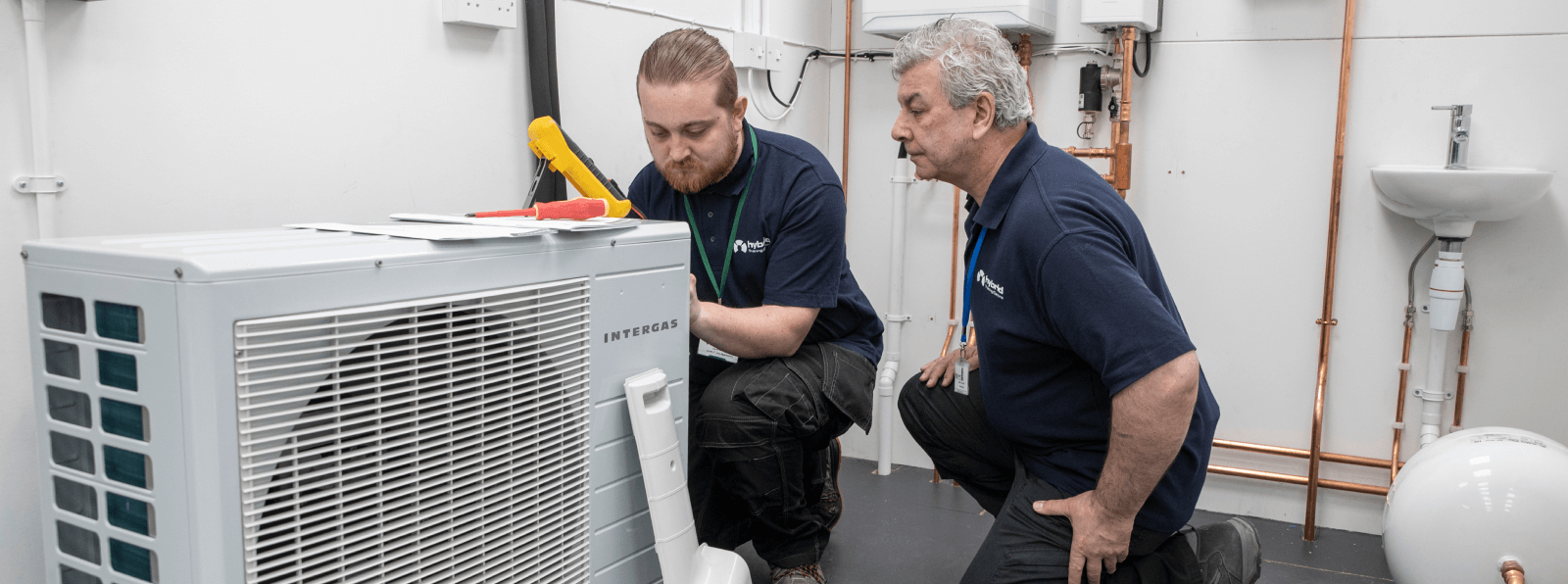
Equip yourself with the necessary tools and learn their specific uses in boiler installation. Proper knowledge of tools enhances safety and efficiency. Your toolkit should include essential items such as pipe cutters, wrenches, and multimeters. Using high-quality tools is crucial, as it contributes to precision tasks such as cutting and fitment, critical in avoiding future operational issues.
In addition to the basic toolkit, learning to handle specialized equipment like gas analysers and pressure testers can significantly boost your skills. These tools are essential for tasks like calibrating the boiler or checking for gas leaks, ensuring the installation is both efficient and safe. Workshops, such as those offered in the Combi Boiler Fault Finding course, provide hands-on experience with these tools.
4. Evaluating Site Conditions Meticulously
Each installation site is unique. Carefully evaluate the conditions before beginning the installation process to address potential challenges proactively. Consider important factors such as size constraints, ventilation needs, and proximity to water and gas lines. These elements dictate the type of boiler suitable for the installation and the specific setup approach required.
Begin this step with a thorough site inspection to identify peculiarities that might affect installation. Whether it’s an existing unit’s removal or the boiler’s positioning, understanding the site conditions helps in choosing the right equipment and procedures. Explore our detailed guide on professional boiler installation steps to ensure you’re covering all bases during inspection and preparation.
5. Implementing Best Practices for Installation
Adopt industry best practices during installation to ensure longevity and performance of the installed system. Consistent application of these practices cultivates expertise over time. For example, ensure proper alignment of the boiler to prevent operational inefficiencies or potential hazards. Positioning the boiler correctly is essential for maintenance access and to meet safety regulations.
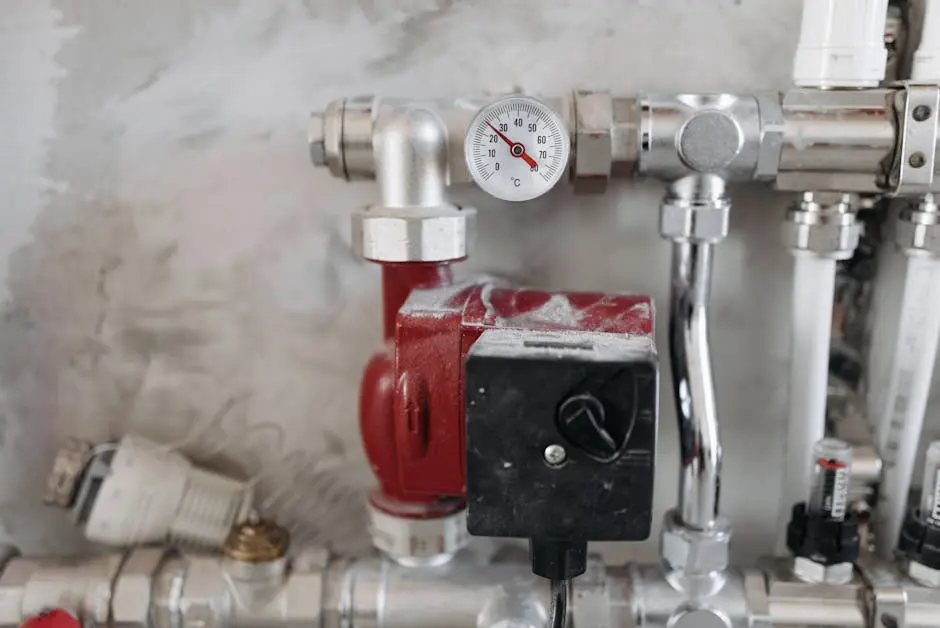
Adhering to best practices also involves meticulous attention to details like valve and pipe installation. Ensuring all connections are tight and secure prevents leaks and potential overheating. Familiarise yourself with the connection of water supply and gas lines according to industry standards to improve safety and functionality.
6. Conducting Thorough Testing and Quality Checks
After the installation, thorough testing and quality checks are imperative. They help in identifying errors or adjustments needed to ensure optimal boiler performance. Start with leak testing—all connections, including water and gas, should undergo rigorous inspection to prevent future safety issues. This process is a cornerstone of responsible boiler installation.
Follow up with system calibration to adjust pressure levels, temperature settings, and control systems according to the specific requirements of the installation environment. Proper calibration ensures the boiler operates at peak efficiency, offering reliable performance and energy conservation. Incorporate these adjustments into your regular inspection checklist to maintain high installation standards.
7. Providing Comprehensive Client Education
Once the installation is complete, educating the client on maintenance and safety tips builds goodwill and ensures the boiler operates smoothly long-term. Explain basic maintenance practices such as regular inspections and timely servicing to prevent common issues and prolong the life of the boiler. By including a customer education component, you help clients understand the implications of their choices better.
Provide them with clear instructions on operational controls and emergency shutoff procedures. This knowledge empowers clients to handle minor issues effectively and manage their heating systems safely, fostering their confidence in your services. Additionally, encourage them to consult professionals for annual inspections, strengthening the trust and loyalty in your professional relationship.