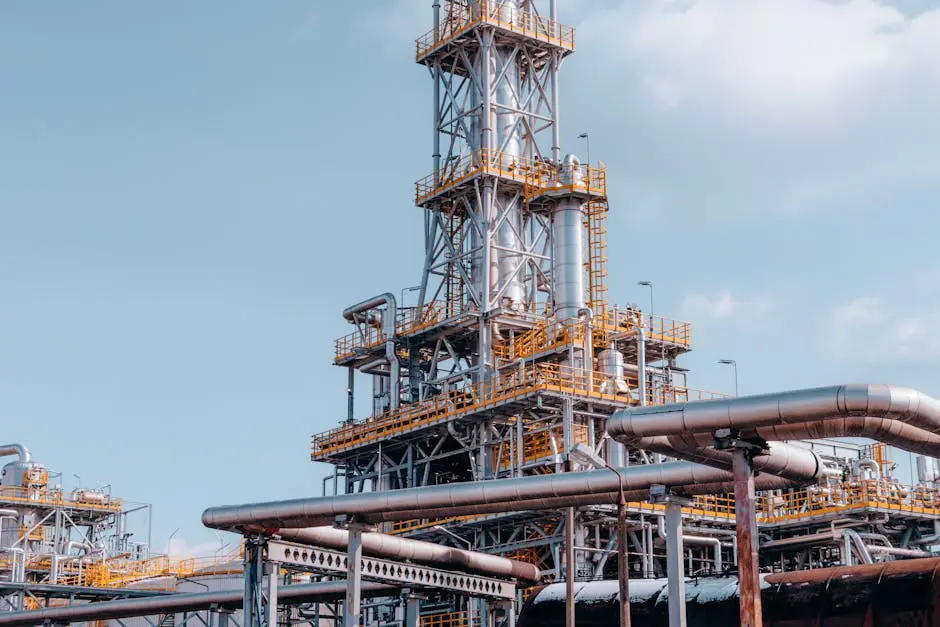
As global energy demands skyrocket and the push for cleaner solutions intensifies, gas engineering emerges as a pivotal force in the transformation of the energy landscape. With its innovative technologies and sustainable approaches, gas engineering is not only diversifying energy sources but also paving the way for a greener future. In this blog, we’ll explore how gas engineering is reshaping the future of energy through various facets.
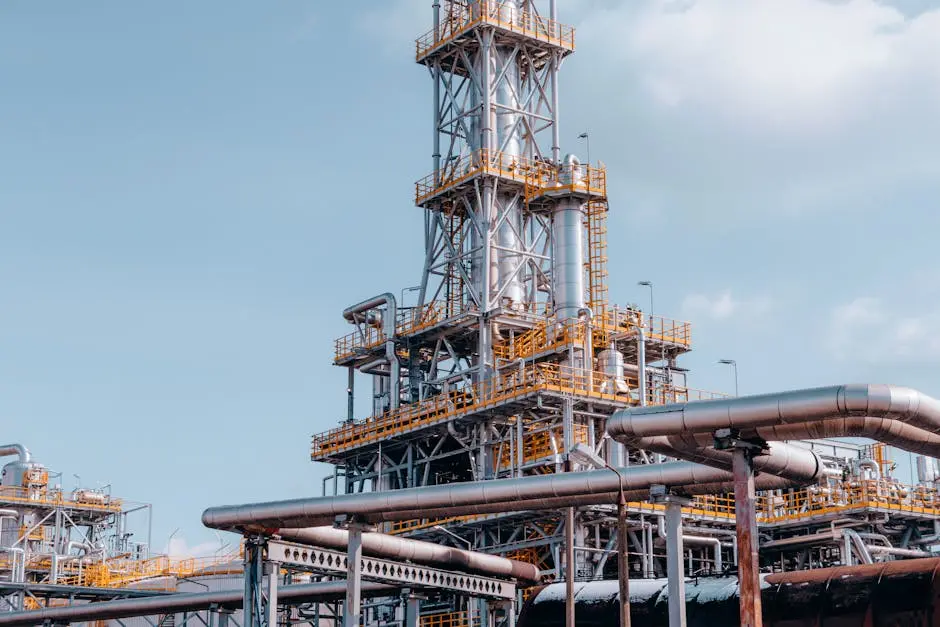
1. Harnessing Natural Gas for Cleaner Energy
Natural gas is a key player in the transition to cleaner energy, offering a lower-carbon alternative to coal and oil. Gas engineering leverages advanced extraction and processing techniques to maximise its potential while minimising environmental impact.
The integration of natural gas in energy systems showcases its versatility as a bridge to renewable energy. As gas turbines enhance their efficiency, they foster a seamless transition. The focus is on reducing emissions while ensuring energy reliability. Gas engineering continuously evolves to harness the full potential of natural gas, making it an indispensable component of modern energy grids.
2. Innovative Carbon Capture Technologies
Carbon capture and storage (CCS) is revolutionising the way industries handle emissions, allowing for significant reductions in atmospheric carbon levels. Gas engineering integrates CCS with natural gas operations, effectively combating climate change.
The latest advancements in CCS technology include capturing carbon dioxide from exhaust gases and storing it underground or using it for industrial purposes. This not only reduces carbon footprints but also turns waste into a resource. Gas engineering’s role in CCS is pivotal for achieving global sustainability targets and fostering energy solutions that marry efficiency with environmental responsibility.
3. Enhancing Efficiency with Liquefied Natural Gas
Liquefied Natural Gas (LNG) offers a compressed form of natural gas that simplifies transportation and storage. This development is critical in making cleaner energy more accessible worldwide, thanks to advances in gas engineering.
The liquefaction process reduces the volume of natural gas by about 600 times, making it easier and safer to transport over long distances. Countries lacking pipeline infrastructure benefit from LNG through gas engineering innovations that facilitate maritime distribution. This expansion supports efforts to decarbonise industries globally, allowing broader access to a cleaner energy source.
4. Revolutionising Transportation with Compressed Natural Gas
Compressed Natural Gas (CNG) is at the forefront of transforming transportation. With gas engineering streamlining its production and use, CNG provides a cleaner and more sustainable alternative for vehicles compared to traditional fuels.
As governments push for lower emissions, CNG is emerging as a viable solution. It not only reduces greenhouse gas emissions but also lowers fuel costs for consumers. Gas engineering advancements have made CNG infrastructure more robust and reliable, thereby supporting the broader use of natural gas vehicles. The transition to CNG is not just an environmental imperative but an economic opportunity for many sectors.
5. Blending Hydrogen for a Sustainable Future
Hydrogen blending with natural gas creates a hybrid energy source that lowers overall emissions. Gas engineering is taking significant strides in perfecting this blend, contributing to a more sustainable energy ecosystem.
The blend, often called hydrogen-enriched natural gas (HENG), has the potential to decarbonize heating and energy sectors without drastic changes in infrastructure. Gas engineering fuels this innovation, ensuring that hydrogen blending resembles a sustainable practice. Such efforts are crucial for economies striving to meet stringent climate change targets while maintaining energy security.
6. Advancements in Gas Turbine Efficiency
Modern gas turbines are becoming incredibly efficient, thanks to advancements in gas engineering. These turbines play a crucial role in cleaner power generation, making energy production both effective and environmentally friendly.
Refinements in gas turbine technology have led to increased thermal efficiency, often reaching beyond 60%. This high efficiency contrasts starkly with older power systems, marking a significant leap in power generation. Moreover, these turbines can pivot between different fuel sources, including renewables. This adaptability is vital in the gradual yet definite shift toward decarbonised energy solutions.
7. Exploring Renewable Natural Gas Potential
Renewable Natural Gas (RNG) offers the promise of a carbon-neutral energy source, and gas engineering is crucial in its production from organic waste. RNG reduces reliance on fossil fuels, aligning with global sustainability goals.
RNG comes from capturing methane emissions from landfills, agriculture, and wastewater facilities. By diverting these emissions, gas engineering not only provides a renewable energy source but also mitigates greenhouse gases. The closed-loop nature of RNG systems illustrates how circular economy principles can apply to the energy sector. Such integration of waste-to-energy models is redefining the approach to sustainable energy.
8. Safety Innovations in Gas Distribution
Ensuring the safe distribution of gas is a priority for the industry. Gas engineering continuously develops safer technologies and protocols, thus increasing public confidence and expanding gas infrastructure.
Modern safety technologies include automatic shut-off systems, pipeline monitoring using drones, and advanced leak detection algorithms. Such innovations not only prevent accidents but also enhance the reliability of gas supply networks. People engaged in gas engineering apprenticeship programs are trained with these state-of-the-art safety measures. This focus on safety is essential as the industry scales to meet increasing global energy demands.
9. The Role of Gas Engineering in Smart Grids
Smart grids are becoming central to efficient energy distribution, and gas engineering plays a role in integrating gas-based solutions. These developments improve grid reliability and support the incorporation of renewable energy.
By incorporating advanced data analytics and automation, gas engineering enhances the responsiveness and resilience of energy grids. The integration with renewable energy resources ensures a balance between supply and demand, optimising overall grid performance. This transformation is key to achieving a sustainable and resilient energy future, elevating gas engineering as a pivotal force in shaping next-generation smart grids.
10. Transforming Industrial Processes
Industries are turning to gas engineering to optimise processes, leading to reduced emissions and enhanced efficiency. This transformation is essential in meeting both economic and environmental targets.
Implementing gas solutions in industrial processes has led to the reduction of carbon footprints and operational costs. This shift has been evident in sectors such as manufacturing and food processing, where energy use is high. Innovations from gas engineering courses enable new techniques that integrate seamlessly into these industries, enhancing productivity while aligning with global environmental standards.
11. Gas Engineering’s Contribution to Rural Electrification
Bringing reliable electricity to remote areas remains a challenge, but gas engineering innovations in decentralised energy systems are making rural electrification a reality. These systems offer sustainable and scalable solutions.
Decentralised energy systems powered by natural gas do not just provide electricity, but also spur local economic growth by enabling new enterprises. Gas engineering ensures that these systems are cost-effective and adaptable to different regional needs. This approach marks a pivotal step in bridging energy inequality, facilitating the electrification of hard-to-reach rural communities worldwide.
12. Future Horizons: Artificial Intelligence in Gas Engineering
Artificial Intelligence is poised to enhance the capabilities of gas engineering, from predictive maintenance to optimizing operational efficiency. This integration promises to usher in a new era of energy innovation.
AI-driven technologies are revolutionising how gas operations are managed, predicting equipment failures before they occur, and optimising resource allocation. Such intelligent systems are essential in an age where precision and efficiency are paramount. The ongoing fusion of AI with traditional gas engineering practices heralds a future-focused approach that maximizes energy output while minimizing human intervention and error.