As renewable energy becomes a primary focus in achieving sustainable living, the role of heating engineers is evolving. This blog explores future directions, challenges, and opportunities for heating engineers in the context of this energy transition.
The Evolving Role of Heating Engineers
Heating engineers are transitioning from traditional fossil fuel systems to sustainable energy solutions, adapting to new technologies and methodologies in the process. This shift not only caters to global climate initiatives but also enhances the efficiency and functionality of heating systems. Adopting renewable sources such as heat pumps is becoming a norm among heating engineers, requiring them to harness their existing skills with new sustainable practices.
The role of the heating engineer is now more about integration and innovation than ever before. Engineers are at the forefront of harmonising emerging technologies with traditional systems, ensuring seamless transitions that benefit both end-users and the environment. This evolution in responsibilities is seeing engineers not only as implementers but also as key innovators in the HVAC industry.
As fossil fuels face increasing regulation and phasing out, heating engineers are positioned as vital players in the energy transition. They play a crucial role in educating the public and guiding homeowners and businesses in adopting renewable energy solutions efficiently.
Impact of Renewable Energy Technologies
With solar, wind, and geothermal energy gaining prominence, heating engineers must now integrate these technologies into existing systems, ensuring efficient and green solutions. The adoption of these technologies is not just about adding new components but also optimising them for maximum efficiency.
One significant impact is the increasing implementation of geothermal energy heating systems, which leverage the earth’s constant temperatures for consistent heating solutions. Proficiency in these systems requires engineers to deepen their understanding of both the geological and mechanical aspects of geothermal technologies The future of geothermal energy.
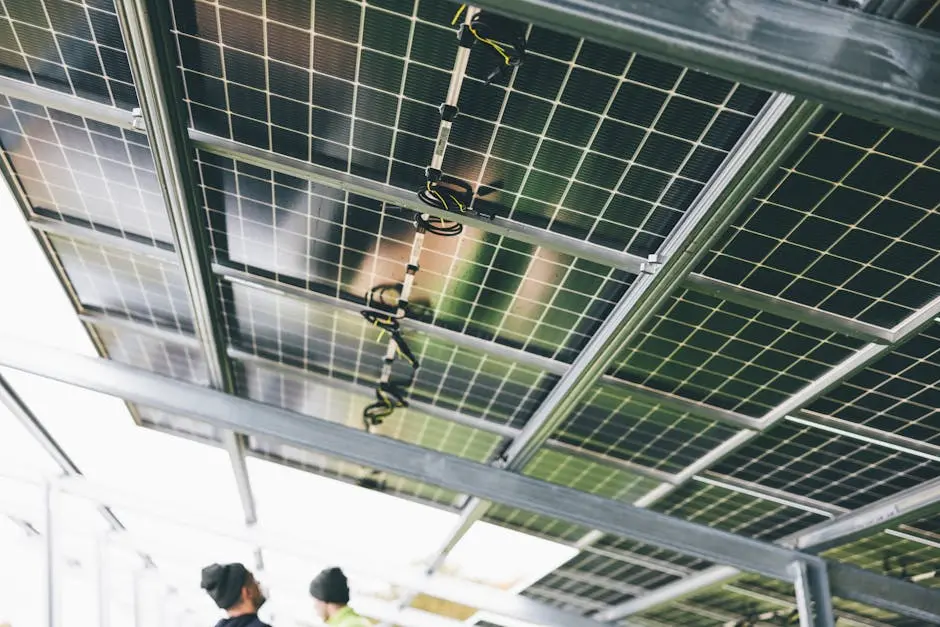
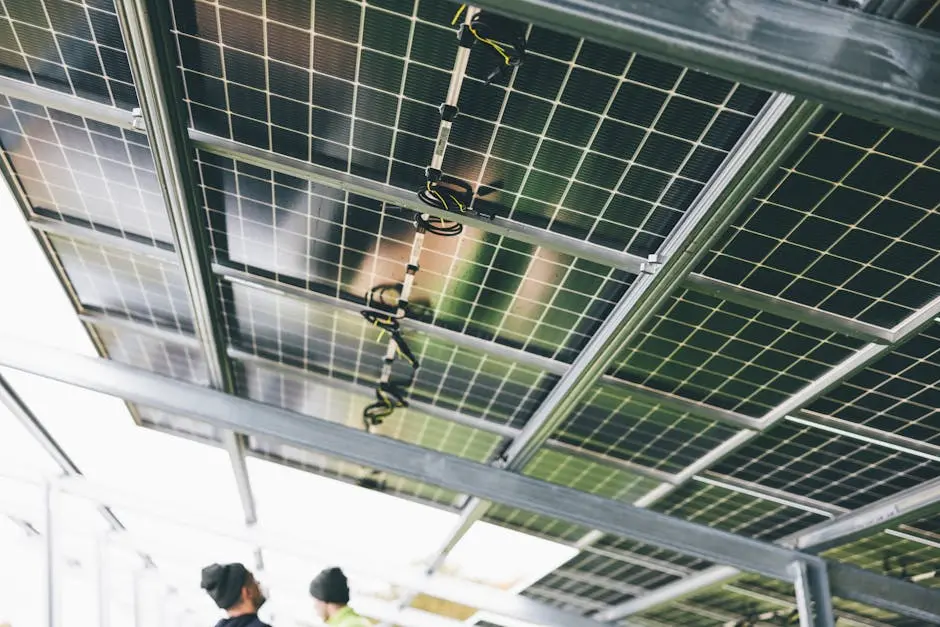
The integration of photovoltaic solar panels with traditional heating systems offers a dual benefit: reducing energy costs and environmental impact. By utilising solar power, heating engineers can help move homes and businesses towards independent, off-grid energy solutions, enhancing resilience against energy price fluctuations.
Wind energy, while less commonly used in residential heating, presents possibilities for large-scale applications and combined energy solutions. Heating engineers can find innovative approaches by combining wind and other renewable energy sources to provide holistic eco-friendly solutions for diverse heating needs.
Skillset and Training for Future Engineers
To keep pace with industry changes, heating engineers need continuous education and training on new renewable technologies and sustainable practices. Programs like the Renewables Courses offered by Hybrid Training Centre provide essential training, allowing engineers to upskill efficiently and stay ahead in the evolving industry.
As the demand for heat pump installations increases, gaining certification becomes a critical step for heating engineers aiming to remain competitive. The Plumbing & Domestic Heating Technician Apprenticeship offered by HybridTec includes specialization in environmental systems, allowing engineers to tailor their skills to suit specific career paths in renewable technologies.
Hands-on experience, coupled with theoretical knowledge, is crucial for mastering new renewable technologies. Training in the proper usage of new tools and materials, like those required for geothermal or solar installations, ensures that heating engineers can implement solutions safely and effectively in real-world scenarios.
Staying informed about global energy trends and developments in technology is another vital aspect of an engineer’s training. Keeping abreast of novel methods and tools, such as AI-driven predictive models in geothermal energy, enhances their ability to anticipate and adapt to changes in the industry landscape.
Challenges and Solutions in the Transition
Adapting to new systems presents challenges such as regulatory compliance and technological interoperability. Overcoming these challenges is critical for successful integration. This process often involves navigating complex legislation, understanding subsidy schemes like the UK’s Boiler Upgrade Scheme, and ensuring compliance with safety regulations.
One of the biggest challenges facing the heating industry today is the shortage of qualified heat pump installers. Bridging this gap requires targeted recruitment efforts and robust training programs to quickly scale the workforce while maintaining quality and safety standards.
Given the variety of renewable energy technologies, achieving interoperability between systems and components can be complex. Engineers must work closely with manufacturers, leveraging advancements in smart technology and IoT devices to create more cohesive and adaptable systems that meet the needs of diverse markets.
Emerging Opportunities in the Green Economy
The shift to renewable energy opens up new job prospects and business opportunities for heating engineers who are forward-thinking and eager to innovate in this evolving field. As countries aim to meet net-zero targets, the demand for skilled professionals capable of guiding residential and commercial properties through energy transitions is soaring.
Heating engineers who embrace renewable technologies can capitalise on government incentives and financing options aimed at promoting green energy solutions. Additionally, by offering value-added services, such as energy-efficiency consultations and maintenance plans, engineers can secure a competitive edge and foster long-term client relationships.
The development of all-electric building designs driven by renewable energies aligns with future policy and environmental goals, presenting further opportunities for heating engineers to expand their expertise and services, ensuring relevance in the new energy landscape.
Ultimately, heating engineers who invest in up-skilling and expanding their service offerings are well-positioned to become pioneers and leaders in the renewable energy sector, driving innovative solutions that support sustainable development across industries and communities.
Embracing the Future: Opportunities Await
The evolution of heating engineering roles within the renewable energy sector represents a substantial shift towards a sustainable future. Embracing these changes offers vast opportunities for innovation, ensuring these professionals remain pivotal to the energy landscape.