The Benefits of Hybrid Training for Plumbing and Electrical Work
Staying up to date with the latest skills and industry knowledge is essential for career success. Hybrid training offers a flexible and effective approach to learning, combining online and in-person methods. This dynamic training model is particularly beneficial in practical fields like plumbing and electrical work, where hands-on experience is crucial. Let’s explore the key advantages of hybrid training in these sectors.
1. Flexibility in Learning Pace and Environment
Hybrid training allows learners to engage with course content at their own pace through a combination of online modules and in-person workshops. This flexibility accommodates different learning styles and schedules, making it easier to balance work, family, and education.
The ability to pause and revisit online modules ensures students can fully understand complex concepts before progressing. This structured yet adaptable learning model gives individuals control over their educational journey, fostering a more personalised and stress-free experience.
2. Cost-Effective Training Solutions
By integrating online learning with scheduled in-person sessions, hybrid training reduces travel and accommodation expenses, making it a more affordable option for both learners and organisations. Cost savings can be redirected towards improving training materials, expert instruction, and expanding educational opportunities without compromising on quality.
3. Enhanced Retention Through Blended Learning
Engaging with content in multiple formats—such as digital lessons, practical sessions, and interactive exercises—enhances retention and improves skill application. In technical fields like plumbing and electrical installations, this blended approach ensures learners internalise essential skills rather than just memorising theoretical information.
4. Access to a Wide Range of Resources
Hybrid training provides learners with access to extensive online resources, including video tutorials, live webinars, and interactive discussion forums. Combined with hands-on mentorship during in-person training, this dual approach encourages continuous learning and professional development.
Up-to-date materials ensure that learners stay informed about the latest industry advancements, helping them apply new skills effectively in real-world scenarios.
5. Improved Engagement and Motivation
The variety of learning tools available in hybrid training keeps individuals motivated and engaged, reducing dropout rates and improving overall performance. Features such as gamified learning modules and practical workshops promote active participation, helping students stay committed to achieving their training goals.
6. Safe Environment for Skill Application
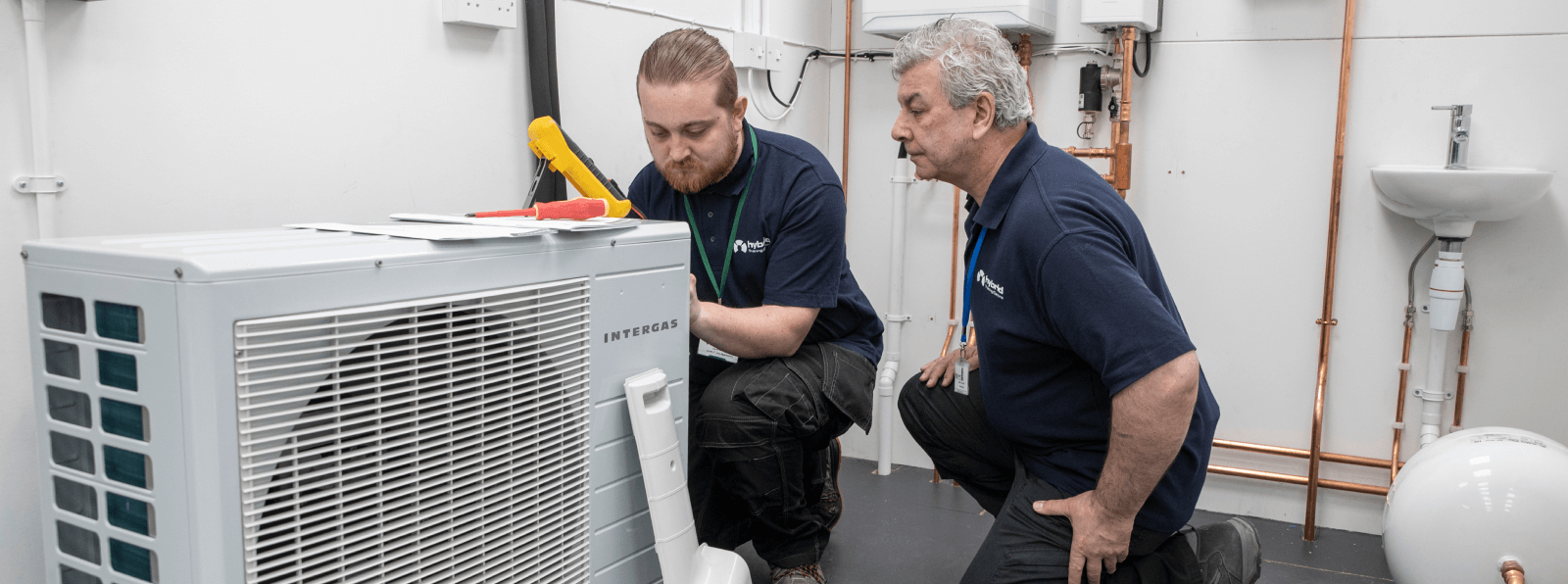
Hybrid training provides a structured, controlled environment for learners to develop their practical skills safely. In fields like plumbing and electrical work, structured simulations allow trainees to practise tasks and receive immediate feedback without the risks associated with real-world job sites.
7. Access to Industry Experts and Networking Opportunities
Learners benefit from direct interaction with industry experts through in-person workshops and virtual networking opportunities. Engaging with seasoned professionals offers valuable insights, mentorship, and career-building opportunities, enhancing long-term professional success.
8. Real-Time Problem Solving and Collaboration
Hybrid training fosters collaboration among peers through interactive training sessions, discussion boards, and group activities. This community-driven learning model encourages knowledge-sharing and real-time problem-solving, equipping students with practical solutions to industry challenges.
9. Keeping Up with Industry Advancements
The integration of cutting-edge technologies and industry software ensures that learners stay ahead of emerging trends. In constantly evolving fields like electrical installations and renewable energy systems, staying updated with the latest advancements is crucial for career progression.
10. Customisable Learning Paths
Hybrid training can be tailored to individual career goals, allowing learners to focus on specific areas of interest. Whether advancing within the plumbing sector or specialising in electrical engineering, this personalised approach enhances skill development and improves job prospects.
11. Easier Transition to Advanced Roles
A well-rounded skill set gained through hybrid training prepares individuals for advanced positions within their respective fields. The combination of theoretical knowledge and hands-on expertise ensures a smooth transition into senior roles, contributing to both personal and organisational success.
12. Sustainability and Efficiency
Hybrid training reduces the need for printed materials and travel, making it a more sustainable learning solution. This eco-friendly approach aligns with industry efforts to reduce carbon footprints while promoting efficient resource utilisation.
Hybrid training offers a modern, adaptable learning experience that combines the best aspects of digital and hands-on education. Whether you’re pursuing a career in plumbing, electrical work, or related technical fields, this innovative approach ensures you receive high-quality training that meets industry standards.
Explore our training courses today to start your journey towards professional excellence.
In the ever-evolving trade industry, staying updated with the latest skills and knowledge is crucial. Plumbing, a vital trade, offers numerous opportunities for growth and specialisation. Whether you’re just starting out or looking to enhance your expertise, choosing the right course can significantly impact your career. Let’s explore some essential plumbing courses that can help propel your career to new heights.
1. Fundamentals of Plumbing Technology
Understanding the basics is essential for any beginner in the plumbing field. This course covers essential plumbing concepts, tool usage, and basic fixture repairs. Grasping these fundamentals sets the stage for more advanced plumbing endeavors, ensuring you have a solid foundation. Whether you’re interested in residential fixes or large-scale installations, this foundational knowledge is key. You’ll delve into the practical aspects of pipefitting, repair techniques, and preventive maintenance. Moreover, understanding the mechanics behind each task will help you troubleshoot issues with confidence.
Practical learning environments often accompany this course, allowing participants to practice techniques in simulated settings. This hands-on experience is invaluable and prepares trainees for real-world scenarios, where quick thinking and effective problem-solving are essential. The curriculum is structured to gradually increase in complexity, ensuring that students can master each level before progressing. The ultimate goal is to produce skilled professionals ready to tackle any plumbing challenges head-on.
2. Advanced Plumbing Systems and Design
For those who want to delve deeper into complex systems, this course explores advanced design principles and techniques used in modern plumbing. It builds on basic plumbing knowledge, focusing on the intricacies of system design and implementation. Trainees will explore the latest technologies and innovations shaping the future of plumbing. From computer-aided design software to state-of-the-art materials, participants will be at the cutting edge of the industry.
This course also dives deep into the nuances of integrating plumbing systems with other building technologies, such as HVAC systems. Understanding how these systems interact can lead to more efficient designs and installations, ultimately reducing energy consumption and increasing sustainability. By focusing on these advanced principles, plumbers can play a critical role in designing eco-friendly buildings that meet modern standards for efficiency and sustainability.
Attending this course could be pivotal for those seeking to specialize further, particularly in urban environments where high-rise plumbing demands sophisticated solutions. Coupled with the demand for sustainable practices, the need for advanced design expertise is on the rise. As plumbing challenges grow more complex, having a thorough understanding of these problems and solutions becomes critical—enhancing one’s ability to design and execute sophisticated plumbing systems efficiently.
3. Plumbing Code and Safety Regulations
Staying informed about the latest codes and safety standards is crucial. This course provides comprehensive insights into the current building codes and plumbing regulations. Navigating these regulations is essential for ensuring safe and compliant installations. Each region may have its specific rules, making it important for plumbers to be well-versed in local requirements. This knowledge safeguards against potential legal issues while promoting general safety.
The course covers a wide range of essential regulations, focusing on public health safeguards, environmental protections, and general safety procedures. You’ll learn to interpret and apply codes effectively, ensuring all work complies with legal standards. A critical aspect of the curriculum is understanding the consequences of non-compliance, such as fines or revocation of licenses, which underscores the importance of adhering to these standards.
4. HVAC and Plumbing Integration
Combining heating, ventilation, air conditioning, and plumbing systems is a valuable skill. This course teaches integration strategies and troubleshooting techniques. Often, the efficiency of a building’s operations hinges on the seamless function between these systems. This makes mastering their integration crucial for modern-day plumbers. Topics cover sensor technology, automated controls, and smart systems, all designed to optimize building efficiency.
Students will also gain practical experience in integrating HVAC with plumbing through lab work and field assignments. This practice ensures that they can execute seamless system collaborations, elevating their skill level and broadening potential career opportunities. Understanding the cross-functional aspects of these systems can often lead to roles in project management or consultancy, where technical knowledge and strategic planning go hand in hand.
5. Environmentally Sustainable Plumbing Practices
Learn about the latest in eco-friendly plumbing, including water conservation technologies and sustainable materials used in the industry. This course answers the growing demand for sustainable building solutions, equipping plumbers with the skills necessary to lead in the green revolution. Topics explored include rainwater harvesting, grey water recycling, and low-flow fixtures, all designed to minimise environmental impact.
Through a combination of theoretical knowledge and practical application, students will develop an understanding of how sustainable practices can be integrated into everyday plumbing tasks. Special emphasis is placed on understanding the lifecycle of materials, enabling practitioners to make informed choices that benefit both the environment and the client. Graduates can operate not only as plumbers but as sustainability advisors, bringing an eco-conscious edge to their projects.
6. Residential Plumbing Essentials
Specialising in residential plumbing requires a set of specific skills. This course focuses on common residential issues and their solutions. With homeowners seeking personalised and often immediate solutions, the role of a residential plumber becomes increasingly nuanced. Considerations include water pressure management, pipe insulation, and fixture installation.
An emphasis is also placed on understanding customer service and communication skills, ensuring a comprehensive client experience. The course prepares plumbers to handle a range of challenges, from emergency repairs to routine maintenance, knowing each task requires a unique approach. By mastering these essentials, plumbers can build a loyal client base, driving repeat business and referrals.
7. Commercial Plumbing and Maintenance
Gain insights into the world of commercial plumbing, where you will learn how to manage larger and more complex systems efficiently. Commercial plumbers must often navigate complex regulations and large-scale projects, requiring them to possess a wide range of skills. This course covers essential areas such as maintaining infrastructure health, managing preventative maintenance schedules, and retrofitting buildings with updated systems.
The curriculum is designed to simulate the demanding scenarios encountered in commercial settings, preparing trainees for roles in maintenance teams or as independent contractors. It includes modules on dealing with building specifications, material management, and project timelines, highlighting the importance of collaboration with other trades to ensure smooth operations.
8. Advanced Leak Detection Techniques
This course covers the latest technology and methods for identifying and repairing leaks, crucial for minimising water waste and damage. As water conservation becomes increasingly critical, leak detection takes center stage in smart plumbing practices. Participants will learn to use state-of-the-art technology such as ultrasound and infrared thermography for pinpoint accuracy in leak location.
By applying these advanced techniques, plumbers can improve service efficiency, reduce environmental impact, and enhance customer satisfaction. These skills are increasingly demanded as the move toward greener technologies necessitates precision in plumbing work. Consequently, plumbers who specialize in leak detection often find themselves at the forefront of technological integration within the field.
9. Backflow Prevention and Testing
An essential course for preventing contamination through backflow incidents, focusing on testing procedures and regulatory requirements. Backflow poses significant health risks, making its prevention and the associated testing procedures both critical and mandatory in many regions. The course offers in-depth training on assessing backflow systems and implementing corrective measures when necessary.
Participants will gain hands-on experience in various testing setups, enabling them to accurately assess potential threats and maintain compliance with legal standards. With rising awareness of water safety, plumbers adept in backflow prevention can command premium rates for their expertise, protecting communities while enhancing their career prospects.
10. Plumbing Estimation and Project Management
Learn how to accurately estimate costs and manage plumbing projects to ensure efficiency and profitability. Project management is a vital component of modern plumbing work, requiring a balance of financial acumen and organizational skills. From estimating material costs to planning labor allocation, this course offers critical insight into optimising project outcomes.
Students will study case examples and engage in project simulations to better understand real-world dynamics of time-sensitive plumbing projects. By acquiring these skills, they become equipped not only to execute technical tasks but to oversee large-scale ventures, projecting a holistic understanding of what it takes to see a project through from start to finish.
11. Gas Plumbing Systems and Safety
This course addresses the installation and maintenance of gas systems, focusing on safety protocols and compliance. As gas plumbing requires a unique set of skills and meticulous attention to safety, trainees will explore relevant technologies, standards, and certification processes critical to working with this volatile medium.
Topics include handling emergencies, recognising potential hazards, and implementing safety measures in line with the latest industry protocols. Safety is paramount, and the course places significant emphasis on cultivating a safety-first mindset, which is essential for both residential technicians and those working on industrial-scale installations.
12. Water Heater Installation and Repair
Focus on the specifics of installing and repairing various types of water heaters, a common request in both residential and commercial settings. With versatile demands stemming from different client needs, this course ensures students comprehend both traditional and modern water heating systems.
Trainees will master installation techniques, troubleshooting, and repair protocols for units ranging from tankless systems to solar-powered heaters. With an increased demand for energy-efficient solutions, understanding the nuances of different heating systems could elevate one’s marketability significantly.
13. Drainage and Waste Water Management
Learn the essential skills for managing drainage systems effectively and dealing with wastewater treatment and disposal. This course is crucial for professionals tasked with maintaining the sanitation and functionality of environments, large or small.
The course content covers various drainage system types, flow calculations, debris management, and maintenance routines. Comprehensive training ensures you are prepared to solve common drainage issues efficiently, helping maintain public safety and environmental health as top priorities.
14. Rainwater Harvesting Systems
Gain knowledge on how to install and maintain rainwater harvesting systems, contributing to sustainable water use. As sustainability gains traction, rainwater harvesting offers both environmental and economic benefits. The course provides technical know-how and insight into selecting appropriate systems based on site-specific criteria.
Strategic implementation of rainwater systems aids in meeting water needs sustainably, effectively reducing reliance on traditional water sources and decreasing operational costs. Trainees learn to tailor systems to accommodate varying volumes and demands, offering adaptable solutions that reinforce their green credentials.
15. Entrepreneurial Skills for Plumbers
Designed for those looking to start their own plumbing business, this course covers business planning, marketing, and financial management strategies. It’s ideal for plumbers ready to transition from technical roles to managerial positions, translating their trade expertise into business acumen.
Aspiring entrepreneurs will learn to craft compelling business plans, identify market niches, and develop strategies to optimise their revenue streams. With guidance on branding and client management, participants leave equipped to launch and sustain successful ventures in the competitive plumbing industry.
In today’s competitive job market, having a plumbing certification can open doors to numerous opportunities that might otherwise be inaccessible. Whether you’re just starting in the field or looking to advance your career, a plumbing certification can be a game-changer. Here are several compelling reasons why getting certified in plumbing can significantly enhance your professional journey.

1. Gain a Competitive Edge in the Job Market
With a plumbing certification, you’ll stand out among your peers, showcasing your dedication to mastering your trade. Employers are more likely to hire certified professionals who demonstrate both skill and credibility. This is crucial especially in a market that is experiencing a skilled labour shortage. A certification not only signifies that you are a qualified expert but also shows that you are committed to keeping your skills updated in this ever-evolving industry.
Becoming a certified plumber reveals your commitment to maintaining high standards in your work. Certification programs often include rigorous training that covers various aspects of plumbing, from basic installations to complicated systems. This comprehensive coverage ensures that you are well-versed in dealing with unexpected challenges on the job. By holding a certification, you signal to employers that you possess not just the technical competence but also the professional aptitude needed to excel in complex projects.
2. Access High-Paying Job Opportunities
Certified plumbers often qualify for higher-paying positions that require skilled expertise. Companies value the assurance that comes with hiring certified employees, leading to better compensation packages. According to industry reports, plumbers who have completed certification programs are more likely to be selected for projects that involve advanced technologies and higher stakes, thus increasing their earning potential. This financial advantage is a significant motivator for many professionals to pursue a formal certification.
Moreover, the benefits extend beyond just salary. Many organizations offer enticing perks to certified plumbers, such as health insurance, retirement plans, and paid leave. This is noteworthy when you consider that plumbing is one of the highest-paid trades, making it an attractive career path for those interested in both financial stability and job satisfaction. Certification is key to unlocking these opportunities, ensuring that you’re competitively placed in the job market.
3. Build Credibility and Trust with Clients
Clients who know you’re certified are more likely to trust your work and call upon your services. Certification acts as an assurance that you meet industry standards, increasing client satisfaction and loyalty. It demonstrates your commitment to excellence and compliance, which in turn fosters long-term relationships with clients. This level of trust cannot be overstated, as it often leads to word-of-mouth referrals and repeat business, crucial elements for a thriving practice.
4. Meet Industry Standards and Regulations
Certification ensures that your plumbing practices conform to the latest industry standards and regulations. This compliance is crucial for both safety and legal reasons, enhancing your reputation as a knowledgeable professional. For those looking to become approved plumbers in England and Wales, attending a NICEIC Water Regulations course provides the necessary credentials to join reputable schemes like SNIPEF and WIAPS. By staying informed on regulatory updates, you’re better equipped to tackle various projects with confidence, avoiding potential legal complications.
5. Keep Up with Advancements in Technology
The field of plumbing is constantly evolving with new technologies and methods. A certification program provides the education needed to stay updated on the latest advancements, keeping your skills relevant. Innovations such as smart plumbing systems and eco-friendly technologies are becoming increasingly important in the industry. By becoming certified, you ensure you’re not only familiar with these advancements but also proficient in implementing them, which can set you apart in this competitive market.
6. Entrepreneurial Opportunities for Certified Plumbers
With a certification, starting your own plumbing business becomes a viable option. Certification gives you the credentials needed to attract a client base and negotiate contracts successfully. The certification acts as a trust builder, giving potential clients the assurance of your skills and professionalism. For those interested in exploring entrepreneurial routes, securing a certification is a foundational step that opens doors to numerous possibilities in the plumbing sector.
Launching your business in a regulated industry like plumbing is no small feat. Certification equips you with both the technical know-how and business acumen required to navigate the commercial landscape effectively. It lends credibility to your brand, helping you to establish a strong market presence. As you venture into projects of various scales — from residential repairs to complex commercial installations — your certification will serve as an invaluable asset, guaranteeing high standards of service and client satisfaction.
7. Enjoy Greater Job Security
In an uncertain economy, job security is invaluable. Certified plumbers are less likely to face layoffs, as their skills are always in demand across various sectors, from residential to commercial projects. This aspect of stability is crucial, particularly in today’s fluctuating job market where trade skills are highly valued and resilient to automation. With more emphasis on specialized expertise, having a plumbing certification fortifies your position in the job market, providing an added layer of financial security.
Additionally, the diverse application of plumbing skills ensures that certified professionals remain indispensable. From emergency repairs to large-scale installations, the need for qualified plumbers spans multiple sectors. The ability to pivot across different types of projects not only enhances job security but also provides a dynamic work environment. You’ll find that certified professionals are frequently sought after for diverse roles, each offering unique challenges and experiences, thus enriching your career.
8. Pathways for Career Advancement
A certification can be the first step toward further specializations or managerial roles in the plumbing industry. Continued education and certification open doors to positions with more responsibility and decision-making power. For instance, a Plumbing & Domestic Heating Technician Apprenticeship allows candidates to specialize in areas such as natural gas and environmental systems, further enhancing career prospects. This stepping stone is invaluable in a field where continuous learning is key to staying competitive.